full-loop ownership
I move between schematics, PCB layout, sensors, low-voltage power, embedded code, test, and the larger mission instead of stopping at a clean handoff.
electrical systems that survive contact with reality
NetworkOcean is combining power, compute, cooling, and the harshest deployment environment on earth. I build the same way that challenge demands: own the full system, instrument it, take it outside, and keep fixing it until it works.
why I fit NetworkOcean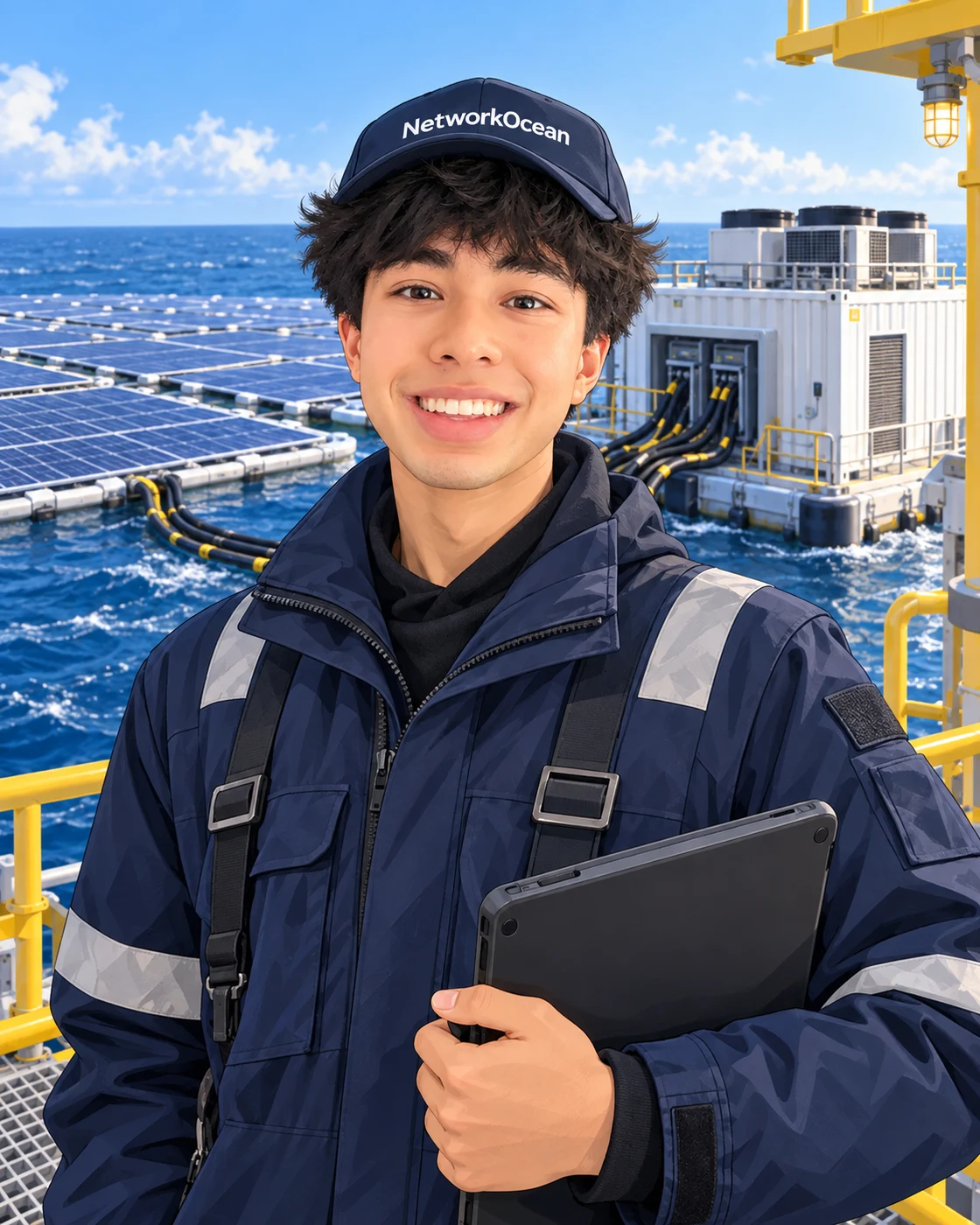
01 / why networkocean
Floating solar is only useful when the electrical architecture, cooling, compute, telemetry, and marine operations reinforce one another. That kind of tightly coupled physical system is exactly where I do my best work.
I move between schematics, PCB layout, sensors, low-voltage power, embedded code, test, and the larger mission instead of stopping at a clean handoff.
I took WiFind from synchronized RF capture to live trials with four search-and-rescue teams. Hardware becomes real when the environment starts fighting back.
I built production evaluation infrastructure at Orchard and embedded benchmarks at GMU. I learn quickly because I make performance visible.
02 / closest evidence
NetworkOcean needs engineers who can build quickly without confusing motion for progress. My projects are organized around the same standard: a working system, tested under real constraints, with enough instrumentation to understand failure.
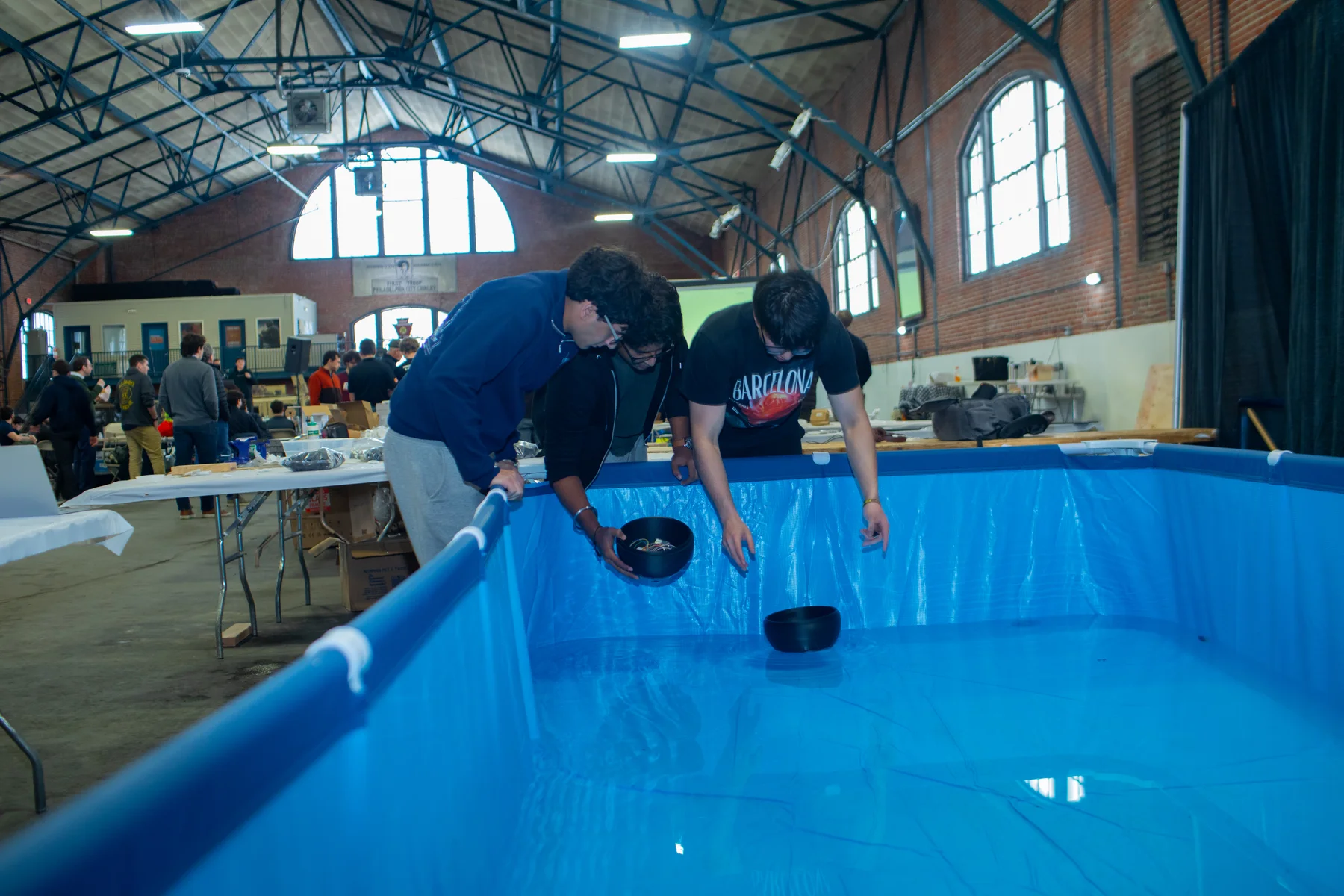
I designed a three-router wireless sensing system to detect breathing and micro-motion through walls, then built the synchronized capture and real-time edge processing needed to use it outside a controlled setup.
Four search-and-rescue teams tested it at ranges up to ten meters. The environment was part of the engineering, not an afterthought.
03 / electrical engineer
NetworkOcean says deep experience is not required. What matters is agency, rate of learning, and the urge to build what would not otherwise exist. I can bring those traits with real electrical depth behind them.